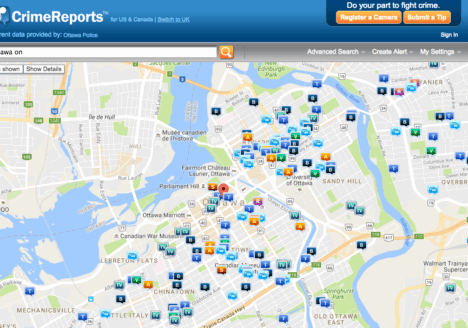
Reporters need to dig deeper into crime maps to tell the whole story
New research finds that crime maps released by Canadian police forces only paints a partial picture of what is happening.

New research finds that crime maps released by Canadian police forces only paints a partial picture of what is happening.
By Errol Salamon, Work and Labour Editor Before the Internet and World Wide Web became fully commercialized in the mid-1990s, freelance writers and photographers began using computer networks as organizing tools as early as 1992. Even before rights-grabbing contractsbecame the strong concern they are today for freelancers in Europe and North America, and before freelancers launched social…

By H.G. Watson, Associate Editor In a recent article in The Atlantic, Kieran Delamont tells the story of how Indigenous people have had a difficult history of representation in video games. It’s an important story that had its genesis in a classroom in Ryerson University’s journalism school. During the 2016 Winter semester, Ryerson professor Asmaa…
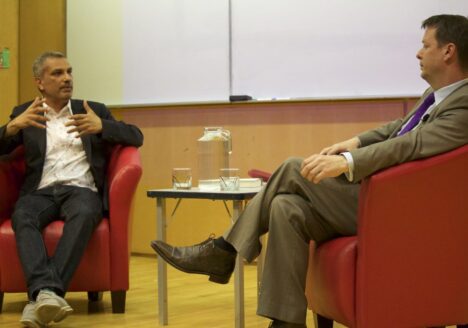
By Allison Ridgway for the Ryerson Journalism Research Centre When Kamal Al-Solaylee saw a group of Filipina maids enjoying a picnic in a Hong Kong park during their time off work one Sunday afternoon in 2011, the concept for his next book began to form. That idea solidified when, back home and riding the subway…
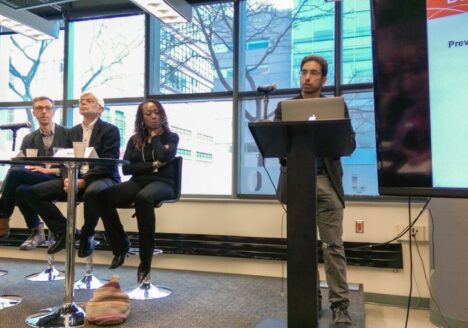
By Ilina Ghosh for the Ryerson Journalism Research Centre When Beyoncé released her latest album, Lemonade, exclusively on the music streaming service Tidal, new user sign-ups rose by 1.2 million. But since then, the service’s popularity has once again waned. The same effect can be applied to modern journalism, says Alex Watson, The Telegraph’s former head of product.…


Eleven of the magazine pieces she edited last year have been nominated for NMA awards.
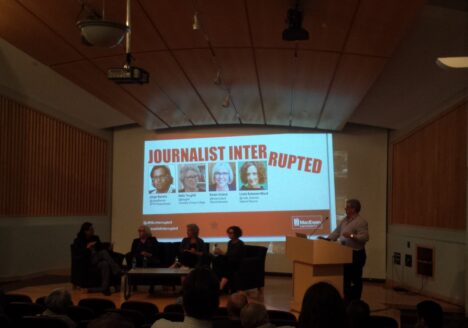
Our liveblog from MacEwan University as four journalists plot a blueprint for what comes next.
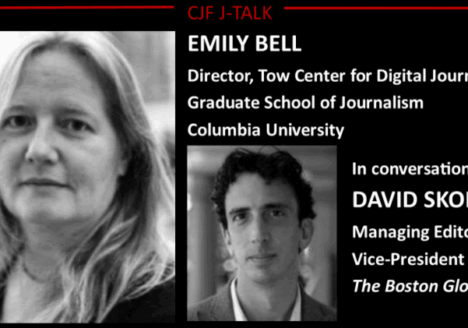
Emily Bell, founding director of the Tow Center for Digital Journalism at Columbia Journalism School, in conversation with the Boston Globe’s David Skok.