
Star public editor: Journalists, sources and informed consent
Should journalists inform sources of potential risks of sharing information through the media? Do people understand what’s at stake in talking to journalists?

Should journalists inform sources of potential risks of sharing information through the media? Do people understand what’s at stake in talking to journalists?

Professional news organizations and associations are seeking—or forced?— to rewrite their codes of ethics in the face of overwhelming change to journalism. From the start, citizens should be invited to participate alongside professionals in a searching discussion of how to redefine journalism ethics, writes media ethicist Stephen Ward.

Following the controversy of prominent journalists Peter Mansbridge and Rex Murphy accepting payments from members of the oil industry, CBC has made several changes to its policies about paid speeches.

There is no magic formula for ensuring a civil exchange of relevant ideas and opinions. Setting the ground rules, monitoring the conversation and being engaged in it can go long way to achieving that goal, says a report by the Canadian Association of Journalists’ ethics advisory committee.

Setting the ground rules, monitoring the conversation and being engaged in it can go long way to achieving that goal, says a report by the Canadian Association of Journalists’ ethics advisory committee.

The new Torstar Business Code of Conduct says employees have to act in the best interests of the company. But, as journalism ethics professor David Swick asks, can Star journalists always act in the best interest of Torstar? What if, for example, a reporter or columnist sees the need to criticize the parent company in…

Steve Paikin, the host of The Agenda, is asking for advice—his son is seeking a Liberal nomination in the 2015 federal election. Given this conflict of interest, Paikin asks how he should approach his election reporting.

The Canadian Association of Journalists ethics committee looked at whether journalists have a responsibility to discuss the potential consequences of an interview when dealing with vulnerable sources, and if that could be done without undermining journalists’ duty to serve the public interest by providing it with important information. Esther Enkin reports.
Sharing information with a reporteris not a risk free act. There is a range of potential consequences for subjects and sources. The Canadian Association of Journalists ethics committee considered if interview subjects can really give consent without a chat about the consequences of their interview.
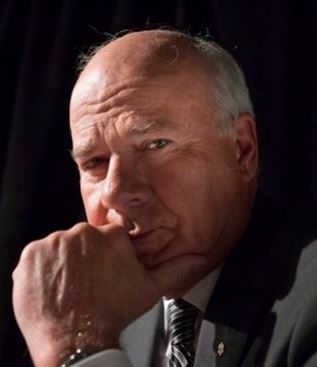
Beyond the fact that Mansbridge and his CBC bosses thought it fine for him to accept a paying gig at an oil conference, journalism professor Dan Rowe explains what the incident says about how journalists take their cues from politicians in determining what is newsworthy.