
Vulnerable communities are being targeted by right-wing, bad faith personalities and accounts online in the wake of a national tragedy. Newsrooms can make sure they’re following best practices and avoid stoking an increasingly emboldened hate movement
Eight people — mostly children — were killed and 25 injured in a mass shooting in the small northern B.C. community of Tumbler Ridge on Tuesday, Feb. 10.
The massacre, which represents one of the worst mass shootings in modern Canadian history, required speed and precision on part of the RCMP and local news to inform local residents about safety risks.
Amid the tumult, right-wing content creators were speculating about the gender identity of the shooter following police announcements describing their perceived gender and attire.
The identity of the shooter was confirmed on Wednesday, Feb. 11.
In that time, dangerous, vilifying and inaccurate propaganda was posted and circulated by countless online accounts, including but not limited to elected officials such as B.C. MLA Tara Armstrong.
Trans people do not commit acts of mass violence at a statistically significant rate. While a slew of individuals have referenced the identity of the shooter to point towards a trend of “trans violence,” prior to this week, the rate at which trans individuals represented mass killers in Canada was exactly zero. The shooter’s apparent interest in firearms and inclination towards “violent nihilism” is however indicative of wider trends of mass violence. Groups such as white supremacists, neo-Nazi groups and incels are primary security concerns in what CSIS defines as Ideologically Motivated Violent Extremism in Canada.
The RCMP have not yet determined a motive in the shooting.
While anti-trans bigots seek to undermine the existence and legitimacy of trans identity, this inclination frequently appears with coterminous pushes to cast doubt on scientific consensus and the notion of area expertise. These phenomena appear in a variety of circumstances, but transphobes will often conflate trans identification with mental illness (an assertion unbacked by world-leading scientific consensus on gender identity) and invoke “biology” to undermine the sociological categorization of gender by incorrectly synonymising both sex and gender assigned at birth with gender.
Nevertheless, gender diversity is defined as a normal variation of human experience by entities such as the World Health Organization, the World Psychiatric Association, the American Psychiatric Association and the Canadian Psychological Association, and, prior to the politicization of science led by U.S. President Donald Trump’s current term, the Centers for Disease Control and Prevention (a 2023 executive order compelled the CDC to remove all references to gender).
“Being trans, also known as gender nonconformity, is often mischaracterized as a mental disorder,” says the Canadian Institutes for Health Research.
“New evidence demonstrates that the increased risk of depression and suicidality among trans people is associated with experiences of transphobia and discrimination.”
Far-right culture warfare in Canada — which exports a disproportionate volume of online extremism globally — has been working in overdrive to opportunistically endanger trans communities in the wake of this massacre of children, a horrifying event of staggering loss.
Media in Canada have been slow to adopt best practices around gender diversity and trans inclusion. The demonization of communities now unwittingly associated with an appalling event of mass violence should galvanize media workers and newsrooms aspiring to report accurately and in keeping with evidence-based approaches to focus on the facts and not cede reality to bad faith actors. Use the right words to responsibly cover this tragedy to do your part to not contribute to a culture that begets another.
Use the right words
The Trans Journalists Association, which first launched in 2020, offers a free and regularly updated style guide for media covering stories about and referencing gender diverse people — it’s also useful for reporters who simply want to better understand how to write about gender across the board.
Coverage in Canada, including by well-intentioned media trying to quickly cover a national tragedy, has often not reflected best practices when referencing the shooter. Given the concurrent denigration of trans communities, it’s important that quality coverage doesn’t inadvertently dehumanize individuals and groups that are being targeted by hatemongers in the political and online spheres seeking to capitalize on a community’s grief.
Read the latest edition of the TJA Style Guide.
For quick reference, here are some top tips:
- Gender and sex are different concepts. Do not use the sex categories male or female to denote gender.
- NO: “Biological male who identifies as female” (no reason ever…in this instance, similar language was used by the RCMP. If it appeared in publication ever, should be enclosed in quotation marks.
- YES: A girl or woman…
From TJA:
Avoid using biological in reference to people, rather than in broad references to the concept of biological sex. Noun phrases like biological men, biological males, biological women, or biological females are often used by anti-trans groups to invoke a person’s assigned sex at birth as their “real” gender, in contrast to their gender identity.
The TJA expands here on the phrase “biological sex.”
- People do not identify as men or women — they are men or women.
- If gender is explicitly relevant to the story, people can be described using their gender identity. If sex is explicitly the category relevant to a story, it should be clear why.
- i.e. do NOT refer to a stat about “female photographers” unless you’re both certain this data exclude trans women and that there’s a contextual reason why sex is more relevant to the story than gender, much more commonly relevant in social categorization.
- YES: Women photographers…
trans-identified, male-identified, female-identified
Do not use this confusing and inaccurate phrasing, which can conflate gender identity and sex assigned at birth. Male and female refer to sex (see assigned sex at birth) and are not generally gender identities (see cisgender, transgender).
Do not use trans-identified to refer to a trans person (see “identifies as” just means is). Trans-identified male and trans-identified female (sometimes shortened to TIMs and TIFs, respectively) are derogatory terms. They are typically used by opponents of trans rights to refer to a trans person by their sex at birth (such as by referring to a trans woman as a trans-identified male).
trans male, trans female
The terms trans male and trans female can be ambiguous because some use trans male to refer to transgender men while others use it to refer to transgender women. Likewise, some use trans female to refer to trans women while others use it to refer to trans men. The terms female transgender people or male transgender people are likewise used inconsistently, and can be used or interpreted in different ways by both cisgender and transgender people. Some conflate these terms out of unfamiliarity, while others may use them intentionally to disparage a trans person.
If a source uses these phrases, ask them to clarify what they mean and paraphrase, rather than quoting directly. Outside of quotes, use trans man, trans woman, nonbinary person, etc. as appropriate. Where necessary, use more specific language (trans people who can get pregnant, transfeminine people, etc.).
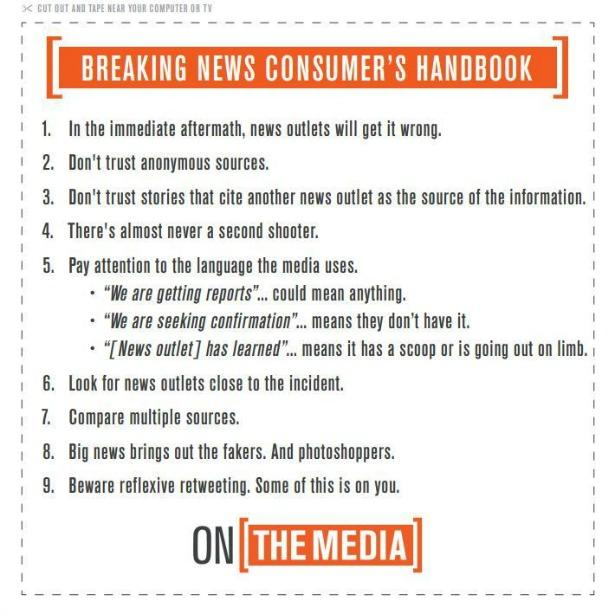
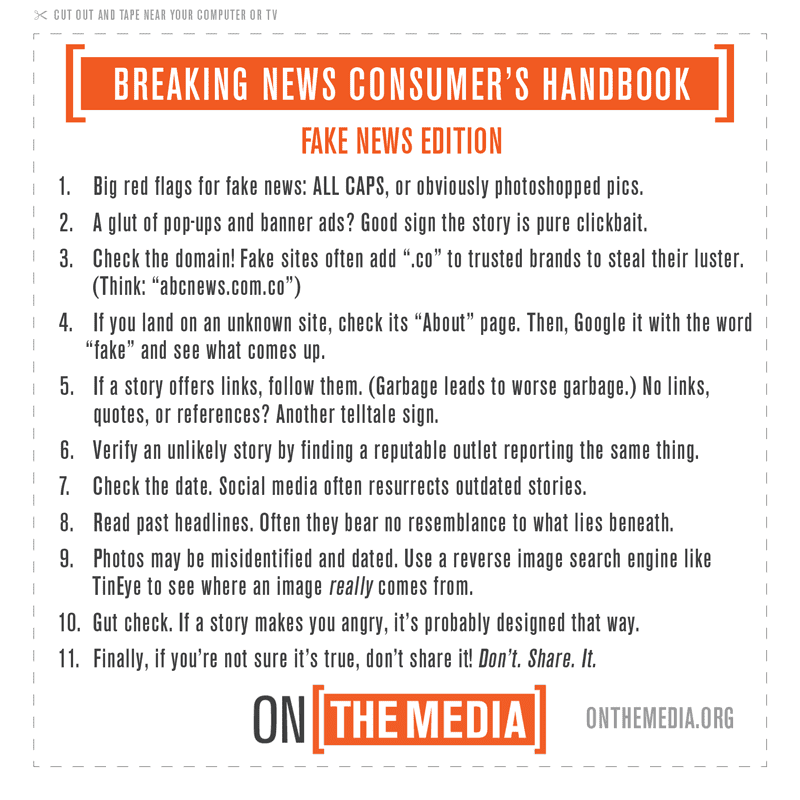
Breaking news resources