
Book review: Tell Everyone: Why We Share & Why It Matters
This book is only marginally about journalism, made clear by the absence of a reference to “news” in its title. It is at least as much about sociology and marketing.

This book is only marginally about journalism, made clear by the absence of a reference to “news” in its title. It is at least as much about sociology and marketing.
Based on the Dalton Camp Lectures in Journalism, an annual series at St. Thomas University, in Fredericton, 11 esteemed journalists talk at length about journalism, Canada, war, standing up to power, our tumultuous era and much more.
Veteran CBC New Brunswick journalist Jacques Poitras’ new book, Irving vs. Irving: Canada’s Feuding Billionaires and the Stories They Won’t Tell, is a lively collection about how the Irvings run their newspapers and the working conditions for editors and journalists there.

Journalist Nick Davies’ new book is a primer on great reporting and a morality tale about unethical journalism.

Once you earn that hard-won job, you will be too busy doing journalism to read or even think deeply about capital-J journalism. Books Editor Dan Rowe recommends five books that may or may not appear one of your syllabi, but that you should read anyway.
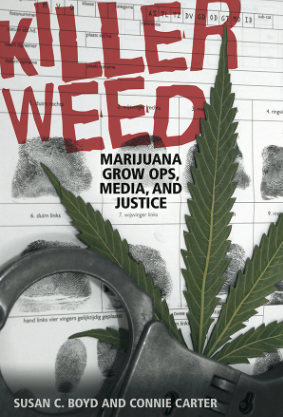
Ian Mulgrew, a Vancouver Sun columnist and author of a book about Canada’s marijuana industry, reviews Killer Weed, a new academic study that claims newspapers in Vancouver and Victoria have uncritically hyped public health and safety concerns related to marijuana grow-ops.

Drawing from extensive interviews with more than 100 key players in Canadian and British broadcast newsrooms, Rena Bivens’s Digital Currents is rich with insider examples and perspectives on the roadblocks and the rewards of making TV news in the digital age. Concordia University’s Corrine Smith reviews the book.

Dan Rowe, coordinator of Humber College’s Bachelor of Journalism program and former Quill & Quire news editor, takes over the book review section.
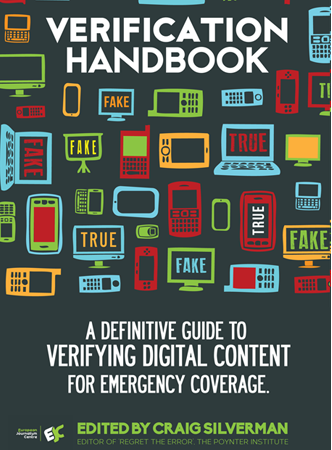
Edited by Craig Silverman, the founder and editor of Regret the Error, The Verification Handbook contains case studies written by various journalists working in digital media. The book is easy to read, with parts of it resembling a Storify piece with embedded tweets and photos to illustrate points, writes Diana Pereira.

Former Canadian Press journalist Catherine McKercher writes that Allen’s book is a thorough chronological analysis of the first 50 years of Canadian Press. She hopes for a sequel.