• Read
    • Labour
    • Business
    • Education
    • Field Notes
    • Law and Ethics
    • Technology
    • Policy
  • Work & learn
    • Journalism Jobs
    • Awards
    • Education Opportunities
    • Events
      • Submit an event
  • Projet J
    • Entrevue
    • Balado
    • Nouvelles
    • International
    • Liberté de presse
    • Archive
  • About Us
    • Editorial Board
    • Supporters
    • Contributor guidelines
Donate
J-Schools Canada
Facts & Frictions
Facebook Twitter X LinkedIn
J-Source
  • Read
    • Labour
    • Business
    • Education
    • Field Notes
    • Law and Ethics
    • Technology
    • Policy
  • Work & learn
    • Journalism Jobs
    • Awards
    • Education Opportunities
    • Events
      • Submit an event
  • Projet J
    • Entrevue
    • Balado
    • Nouvelles
    • International
    • Liberté de presse
    • Archive
  • About Us
    • Editorial Board
    • Supporters
    • Contributor guidelines
Search site...

Category / Work / How To

  • Tweets aren’t in the public domain, despite what you might think. Screenshot by J-Source.

    A journalist’s guide to responsible social embeds and usage

    Tweets aren’t in the public domain, despite what you might think.

  • screen_shot_2017-05-04_at_7.56.21_pm.png

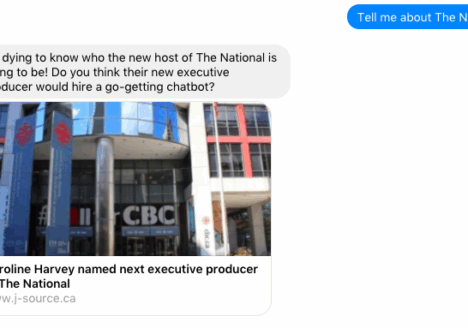
    We built a chatbot, and you can too

    With the growth of online messaging, are chatbots the next social media frontier?
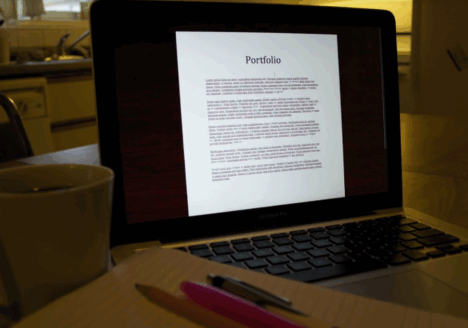
  • It’s become extremely useful for journalists to have some understanding of content marketing strategies. Photo courtesy Brennan Reid.

    Why journalists should study personal branding

    It’s become extremely useful for journalists to have some understanding of content marketing strategies.

  • screen_shot_2017-04-27_at_9.39.20_am.png

    To publish or unpublish?

    The long-life of news online means we have to consider a lot when deciding to unpublish a story.
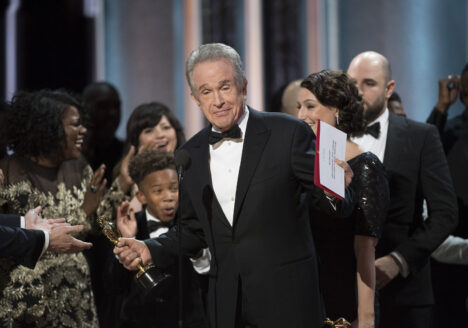
  • Actor Warren Beatty at the Academy Awards, where he was given the wrong envelope. Photo courtesy Disney/ABC Television Group.

    What reporters can learn from the Oscars mix-up

    By Jennifer Ditchburn If you are, or ever have been, a journalist, you probably found the Academy Awards night fiasco absolutely thrilling. What reporter wouldn’t be delighted with something so utterly unpredictable and gobsmacking as a Best Picture envelope mix-up? Oh, the drama! The backstory! The days of follow-up pieces! But the morning after, I…

  • c5tpwz1weaqf4bp.jpg

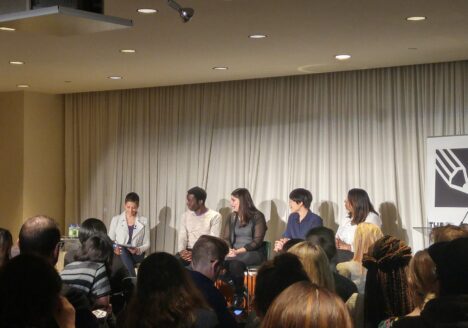
    “Representation is important but representing is hard”

    By H.G. Watson, Associate Editor [<a href="//storify.com/jsource/representation-is-important-but-representing-is-ha" target="_blank">View the story ""Representation is important but representing is hard"" on Storify</a>]
  • Daniel Dale, Washington Bureau Chief for the Toronto Star, discusses verification and trust in the media at the George Vari Engineering and Computing Building’s Sears Atrium at Ryerson University, February 15th, 2017. Photo courtesy of Micheal Ott.

    Canadian journalists can learn a lot from the US media’s Trump coverage, says Toronto Star’s Washington correspondent

    By Michael Ott for the Ryerson Journalism Research Centre The loss of trust between the media and audiences that has characterised the Donald Trump era in the United States also played out when Rob Ford was mayor of Toronto, says the Toronto Star’s Washington correspondent Daniel Dale. Just as many Trump supporters dismiss stories about the…
  • Mark Latham has pioneered a voter-funded media project at UBC since 2007. Screenshot by J-Source.

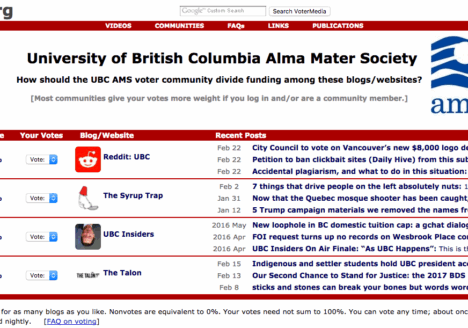
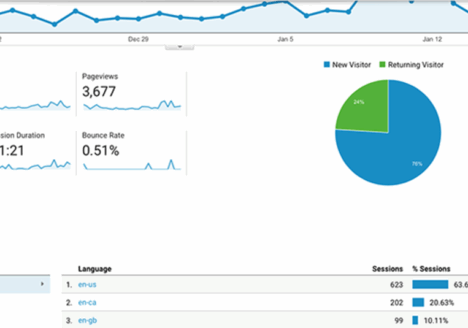
    Why one economist believes letting people vote to fund media could save it

    By Mitchell Thompson Mark Latham says the cure for local media’s ills is voter-funded media—where voters decide which media outlets receive grants. The economist and Votermedia.org founder says the University of British Columbia has been providing grants to media outlets covering the school’s student union and its elections since 2007. It allows voters to rank…
  • Image courtesy of Nicole Blanchett Neheli.

    Journalism and analytics: A starter’s guide

    The use of analytics is now entrenched in news practice. But do journalists really understand how to utilize them? 
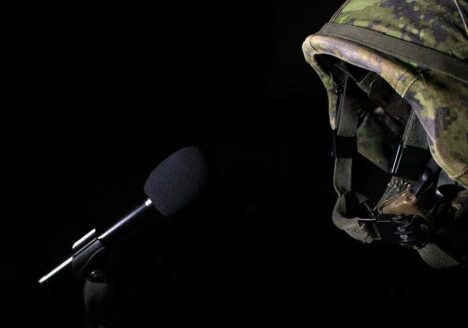
  • Do journalists and soldiers know what they don’t know about each other? Image courtesy of Leah Woolley.

    Exploring the military-journalist relationship

    By Leah Woolley for The Signal Josie Lukey’s face is covered in mud, dirt, and dust. The sun is setting over Canadian Forces Base Wainwright in Denwood, Alberta and she’s standing on the hard leather seat of a tank, gripping its edge to stay upright. The vibrations of the engine echo through her body and…

Previous
123456
Next

Michener Scholarship

J-Source logo

J-Source, led by the journalism programs at Toronto Metropolitan University and Carleton University, is supported by the post-secondary journalism programs at member institutions of J-Schools Canada/Écoles-J Canada, the R. Howard Webster Foundation and a group of donors.

PRIVACY AND J-SOURCE

© Copyright 2024. All Rights Reserved

FacebookTwitter XLinkedIn

This site uses cookies to offer you a better browsing experience. Find out more on how we use cookies and how you can change your settings.