• Read
    • Labour
    • Business
    • Education
    • Field Notes
    • Law and Ethics
    • Technology
    • Policy
  • Work & learn
    • Journalism Jobs
    • Awards
    • Education Opportunities
    • Events
      • Submit an event
  • Projet J
    • Entrevue
    • Balado
    • Nouvelles
    • International
    • Liberté de presse
    • Archive
  • About Us
    • Editorial Board
    • Supporters
    • Contributor guidelines
Donate
J-Schools Canada
Facts & Frictions
Facebook Twitter X LinkedIn
J-Source
  • Read
    • Labour
    • Business
    • Education
    • Field Notes
    • Law and Ethics
    • Technology
    • Policy
  • Work & learn
    • Journalism Jobs
    • Awards
    • Education Opportunities
    • Events
      • Submit an event
  • Projet J
    • Entrevue
    • Balado
    • Nouvelles
    • International
    • Liberté de presse
    • Archive
  • About Us
    • Editorial Board
    • Supporters
    • Contributor guidelines
Search site...

Tag / Fake News

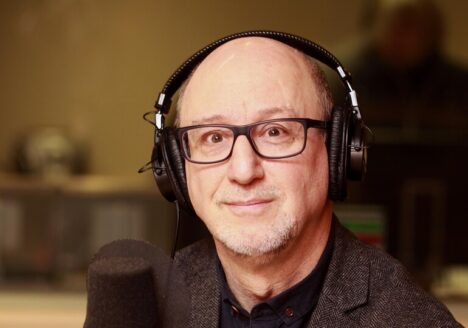
  • François Brousseau, analyste aux affaires internationales pour Radio-Canada chroniqueur hebdomadaire au quotidien Le DevoirPHOTO : Radio-Canada / Laurent Boursier

    « Fake news » à l’international : un combat de tous les instants pour François Brousseau

    par Antoine Char Les tweets de Tommasso Debenedetti ont berné de nombreux médias du monde entier, ces dernières années. Cet enseignant romain a déjà « tué » le pape Benoît XVI, le président syrien Bachar al-Assad, Mikhaïl Gorbatchev, qui dirigea l’URSS entre 1985 et 1991 (mort le 30 août dernier), l’écrivaine J. K. Rowling et le cinéaste franco-grec…
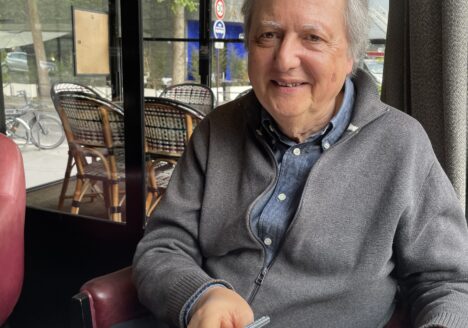
  • Président de Reporter sans frontières et cofondateur de Rue89, le journaliste français Pierre Haski croit que la désinformation doit être combattue autrement que par les lois

    «La loi fake news est inapplicable » en France, selon Pierre Haski

    Président de Reporter sans frontières et cofondateur de Rue89, le journaliste français Pierre Haski croit que la désinformation doit être combattue autrement que par les lois[1]. Une entrevue de Mathieu Robert-Sauvé Quelle est votre perception de la Loi contre la manipulation de l’information[2], adoptée par la République française en 2018? Cette loi a été une…

  • Intox de Michel Lemay et La collision des récits de Philippe de Grosbois. Deux points de vue de l’extérieur du métier sur la responsabilité des journalistes dans la désinformation

    Contrer la désinformation au Québec : une lutte inégale contre les géants du web

    par Philippe Lapointe Les initiatives québécoises pour contrer la désinformation se multiplient dans les médias québécois, comme partout en Occident. Tellement qu’on peut dire que la vérification des faits (fact checking) est devenue une discipline journalistique en soi. Ça se comprend : l’ampleur du phénomène de la désinformation atteint des niveaux difficiles à imaginer et constitue…

  • Bolt cutters cutting yellow cable with mulicoloured exposed strands.

    Shutting down social media does not reduce violence, but rather fuels it

    In the wake of a series of coordinated attacks that claimed more than 250 lives on April 21, the government of Sri Lanka shut off its residents’ access to social media and online messaging systems, including Facebook, WhatsApp, YouTube, Snapchat and Viber. The official government concern was that “false news reports were spreading through social…

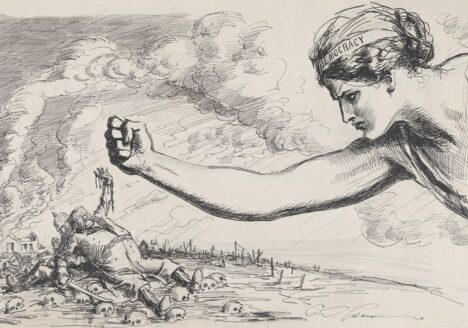
  • Our faith in information is faltering when we most need facts

    We shouldn’t need a Super Bowl commercial costing around $10 million to remind us that information is supposed to matter in a democracy. Yet the Washington Post thought we did, so it told 111 million Americans watching the Super Bowl that “knowing empowers us, knowing helps us decide, knowing keeps us free.” It was another…

  • Watch: ‘Fake news’ and a changing media landscape

    Laurier panel explores the state of journalism  Continue Reading Watch: ‘Fake news’ and a changing media landscape

  • How analyzing patterns helps students spot deceptive media

    With the current pervasive use of online media for personal and academic reasons, it’s necessary for students to have skills to confidently filter and decipher what they’re reading. Continue Reading How analyzing patterns helps students spot deceptive media

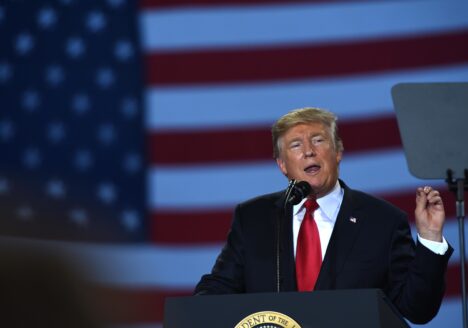
  • Donald Trump

    How journalists can rebut Trump’s ‘fake news’ claim

    “Solutions journalism” aims to give more prominence to solution-oriented narratives. It reports on responses to social problems by moving the solutions out of the footnotes. Continue Reading How journalists can rebut Trump’s ‘fake news’ claim

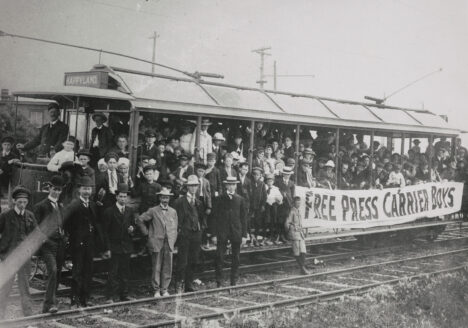
  • How ‘fake news’ came to Winnipeg 100 years ago

    This article was originally published by the Winnipeg Free Press and appears here with the editor’s permission. Thursday, Nov. 7, 1918 — 100 years ago today — was a pleasant fall day in Winnipeg, with the temperature hovering around 0 C. Based on today’s boundaries, Winnipeg was then a city of about 220,000 and had…

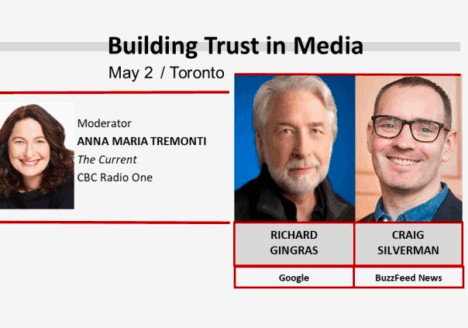
  • Live blog: Building trust in media

    In an age of misinformation, disinformation, AI and media manipulation, how can news organizations and platforms like Google build trust with audiences? Continue Reading Live blog: Building trust in media

123
Next

Michener Scholarship

J-Source logo

J-Source, led by the journalism programs at Toronto Metropolitan University and Carleton University, is supported by the post-secondary journalism programs at member institutions of J-Schools Canada/Écoles-J Canada, the R. Howard Webster Foundation and a group of donors.

PRIVACY AND J-SOURCE

© Copyright 2024. All Rights Reserved

FacebookTwitter XLinkedIn

This site uses cookies to offer you a better browsing experience. Find out more on how we use cookies and how you can change your settings.