
Dan Rowe is J-Source’s new book review editor
Dan Rowe, coordinator of Humber College’s Bachelor of Journalism program and former Quill & Quire news editor, takes over the book review section.
Journalists often work on stories that interest them, and sometimes that interest can be personal. So how do you separate your story from the story you’re writing? Ishani Nath explains how she wrote an article about oncologists while waiting in her mother’s hospital room as she battled cancer.
Canada enjoyed one of the highest levels of press freedom in the world last year. But how is that measured? Columnist Sean Holman questions why Reporters Without Borders won’t release the questionnaires that determine a country’s level of press freedom.
A reader complained about a photo of Prime Minister Stephen Harper that—at first glance—appears to have been photoshopped. The Globe and Mail's public editor Sylvia Stead explains.
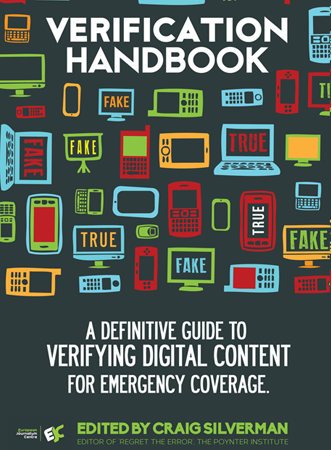
Edited by Craig Silverman, the founder and editor of Regret the Error, The Verification Handbook contains case studies written by various journalists working in digital media. The book is easy to read, with parts of it resembling a Storify piece with embedded tweets and photos to illustrate points, writes Diana Pereira.
As experience and exposure are now their own form of currency, accepting unpaid work is a logical, rational investment in the hope that it will lead to a paying gig, writes Kathleen Kuehn, a lecturer in media studies at Victoria University of Wellington in New Zealand.
CBC reporter Duncan McCue writes that an elder once told him the only way an Indian would make it on the news is if he or she were one of the 4Ds: drumming, dancing, drunk or dead. While initially dismissing the idea as too simplistic, McCue started looking more closely at aboriginal people in the news, and sure enough those 4Ds sure do…
Rob Ford famously accused reporters of not asking the right questions about his past cocaine use. Journalists felt they had been misled. But that's not an uncommon feeling reporters have when they interact with politicians, bureaucrats or communications officers. What happens when proof of misleading information surfaces?
The new thinking is that news organizations should try a bit of everything and see what works. But if you think new business models are just about paying for your existing journalism, get over it. Business of Journalism Editor Kelly Toughill shares her three rules for finding that rare sweet spot where new revenue streams…
Saturday's untimely death of the 80-year-old Kamloops Daily News is yet another reminder to those who love newspapers that the future is either digital or dismal. Fortunately, there are many reasons newspapers and their reporters, columnists and editors will still thrive in the years ahead, says Bill Tieleman, who writes for 24 hrs Vancouver.