
Public editor: How the Globe discovers and corrects errors
If you are a fan of page A2 in the paper and the corrections online, you will be interested to know how The Globe and Mail staff find out about errors, writes public editor Sylvia Stead.

If you are a fan of page A2 in the paper and the corrections online, you will be interested to know how The Globe and Mail staff find out about errors, writes public editor Sylvia Stead.

When a then 25-year-old Ben Peterson launched a global media development organization called Journalists for Human Rights in 2002, he faced his share of critics, skeptics and naysayers for somehow tainting the notion of “objectivity” in journalism. Fast forward 11 years, Journalists for Human Rights has become Canada’s largest media development charity. And as its founder put it, “If…

A reader wondered: “Why does The Globe persist in using the sexist … and outdated term ‘schoolgirls’ in reference to the victims of Paul Bernardo? Public editor Sylvia Stead writes it may be time to find a better description.

Officially launched on September 10, Editorially is the latest web-based platform to hit the collaborative writing and editing game. Developed by a team of experts, its ambition is “making it as easy and effective as possible to create and edit written content intended for digital publication.”

Especially during times of ethnic tensions, it is much more important to tread carefully and not make connections that aren’t proven or even real, writes The Globe and Mail's public editor Sylvia Stead.

Stephen Puddicombe, a veteran CBC reporter with 15 years of experience working as a conflict zone reporter, says Lindhout’s book about her kidnapping in Somalia concerns him. He worries about the future of journalism when we put people on pedestals for being reckless in the field, however well meaning.

A complainant said a CBC News story from Calgary unfairly singled out the pit bull to sensationalize the story and that the media has created the bias against these dogs. But CBC ombudsman Esther Enkin did not find any policy violation.
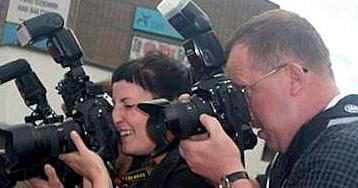
Tyler Olsen, a photographer for the Chilliwack Times in British Columbia, had questions about CBC’s use of a photograph from his paper when they were covering a news story. He acknowledged it was allowed under a Copyright Act provision called fair dealing, but asked the CBC's ombudsman if the use of his photo was ethical,…

Kathy English, the Toronto Star's public editor, questions why journalists are being blocked in obtaining information that would have been readily available to them had they been in public court to witness the proceedings.

A complainant accused CBC of siding with the supporters of ousted Egyptian President Mohamed Morsi in its coverage of demonstrations in Toronto. During the height of the unrest in Egypt, she thought only a pro-Morsi rally had been covered in Toronto when a group of Coptic Christians held a rally the same week end. In…