• Read
    • Labour
    • Business
    • Education
    • Field Notes
    • Law and Ethics
    • Technology
    • Policy
  • Work & learn
    • Journalism Jobs
    • Awards
    • Education Opportunities
    • Events
      • Submit an event
  • Projet J
    • Entrevue
    • Balado
    • Nouvelles
    • International
    • Liberté de presse
    • Archive
  • About Us
    • Editorial Board
    • Supporters
    • Contributor guidelines
Donate
J-Schools Canada
Facts & Frictions
Facebook Twitter X LinkedIn
J-Source
  • Read
    • Labour
    • Business
    • Education
    • Field Notes
    • Law and Ethics
    • Technology
    • Policy
  • Work & learn
    • Journalism Jobs
    • Awards
    • Education Opportunities
    • Events
      • Submit an event
  • Projet J
    • Entrevue
    • Balado
    • Nouvelles
    • International
    • Liberté de presse
    • Archive
  • About Us
    • Editorial Board
    • Supporters
    • Contributor guidelines
Search site...

Category / Read / Field Notes

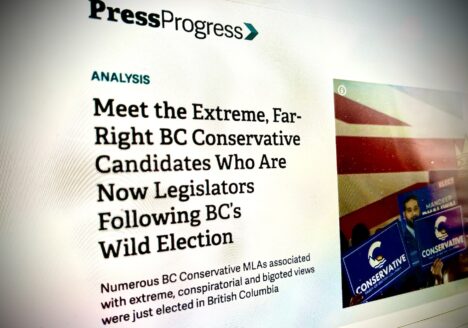
  • How PressProgress used online spaces to cover B.C.’s most extreme election

    Forcing kids to eat bugs. Blowdryers to cure COVID-19. Nuremberg trials for public health. Jan. 6 confabulations and chemtrails. These are just some of the many conspiracies that marked the latest political news cycle in the province Continue Reading How PressProgress used online spaces to cover B.C.’s most extreme election

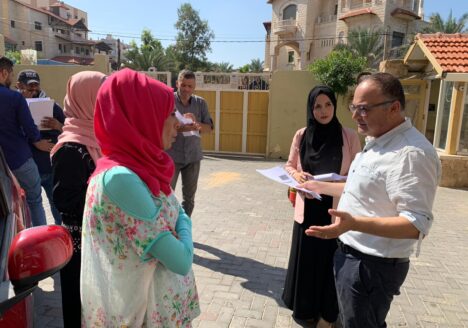
  • From interviewing Arafat to fending off Israeli settlers, Walid Batrawi reflects on a lifetime reporting from Palestine 

    From his new home in Toronto, the award-winning Palestinian journalist talks about painful losses and what others can learn about covering the troubled region Continue Reading From interviewing Arafat to fending off Israeli settlers, Walid Batrawi reflects on a lifetime reporting from Palestine 

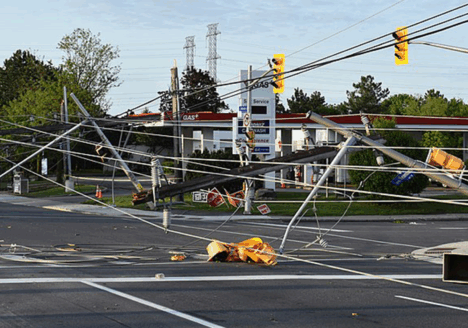
  • Powerlines lie across the road and trap a vehicle after a derecho passed through Ottawa in May 2022.

    How to address ebbs and flows in climate coverage from Canada’s capital 

    Progress on contextualizing climate-related events in the city where federal climate policy is made law hasn’t been linear. Experts weigh in on how to more consistently improve daily coverage Continue Reading How to address ebbs and flows in climate coverage from Canada’s capital 

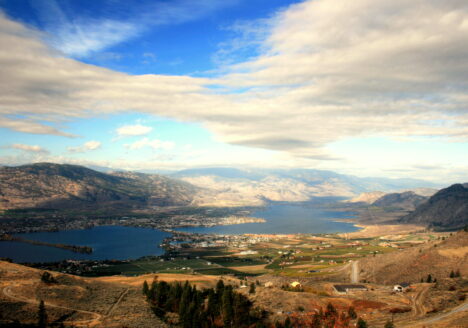
  • Aerial view of Osoyoos, B.C.

    Pandemic field notes from small market media 

    Low pay, high demands, racism and isolation go with reporting jobs in smaller and rural markets. The conditions raise questions about how to keep local news alive and attract the journalists needed to report it Continue Reading Pandemic field notes from small market media 

  • Multi-coloured dice falling in front of black background

    A journalist’s take on reporting with unreliable narrators

    What investigating gambling taught me about accurately bridging gaps between perception and reality Continue Reading A journalist’s take on reporting with unreliable narrators

  • The trucker convoy provides a case study in online threats and IRL harms

    Journalists’ experiences of online threats during the blockade offer insights into how virtual abuse spills offline and how newsrooms should be planning ahead Continue Reading The trucker convoy provides a case study in online threats and IRL harms

  • Fraser Valley Current homepage

    Reflections on a year of the Fraser Valley Current

    Starting a new enterprise is always a gamble. It’s a bet on yourself, on those who will help you, and on your audience. Managing editor Tyler Olsen breaks down what The Current’s learned after Year One Continue Reading Reflections on a year of the Fraser Valley Current

  • Online violence is ‘death by a thousand cuts,’ especially for women, LGBTQ2+ and racialized journalists, and COVID-19 has increased the toxicity. How can Canadian newsrooms better respond? 

    Journalists have to put in countless unpaid hours to manage the disproportionate burden of existing online. While the pandemic has intensified the issue, newsroom and platform responses are still playing catch-up
    Continue Reading Online violence is ‘death by a thousand cuts,’ especially for women, LGBTQ2+ and racialized journalists, and COVID-19 has increased the toxicity. How can Canadian newsrooms better respond? 

  • Monochrome camera and hoody

    How newsrooms are ramping up safety measures amid a rise in physical threats

    Risk planning, hostile environment training and knowing when to step back are some ways workers are going to need to prepare to report in 2022, say experts Continue Reading How newsrooms are ramping up safety measures amid a rise in physical threats

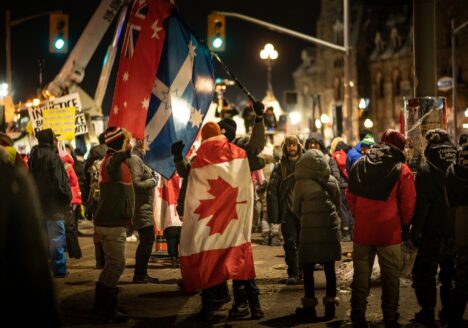
  • Protesters waving Canadian flag stand on top of and surrounding trucks in Ottawa

    Inside media’s coverage of the trucker blockade

    Journalists faced a torrent of abuse, harassment and threats during anti-mandate protesters’ weeks-long occupation of Ottawa. Here’s how media workers navigated reporting in the field Continue Reading Inside media’s coverage of the trucker blockade

123…3132
Next

Michener Scholarship

J-Source logo

J-Source, led by the journalism programs at Toronto Metropolitan University and Carleton University, is supported by the post-secondary journalism programs at member institutions of J-Schools Canada/Écoles-J Canada, the R. Howard Webster Foundation and a group of donors.

PRIVACY AND J-SOURCE

© Copyright 2024. All Rights Reserved

FacebookTwitter XLinkedIn

This site uses cookies to offer you a better browsing experience. Find out more on how we use cookies and how you can change your settings.