• Read
    • Labour
    • Business
    • Education
    • Field Notes
    • Law and Ethics
    • Technology
    • Policy
  • Work & learn
    • Journalism Jobs
    • Awards
    • Education Opportunities
    • Events
      • Submit an event
  • Projet J
    • Entrevue
    • Balado
    • Nouvelles
    • International
    • Liberté de presse
    • Archive
  • About Us
    • Editorial Board
    • Supporters
    • Contributor guidelines
Donate
J-Schools Canada
Facts & Frictions
Facebook Twitter X LinkedIn
J-Source
  • Read
    • Labour
    • Business
    • Education
    • Field Notes
    • Law and Ethics
    • Technology
    • Policy
  • Work & learn
    • Journalism Jobs
    • Awards
    • Education Opportunities
    • Events
      • Submit an event
  • Projet J
    • Entrevue
    • Balado
    • Nouvelles
    • International
    • Liberté de presse
    • Archive
  • About Us
    • Editorial Board
    • Supporters
    • Contributor guidelines
Search site...

Category / Read / Policy

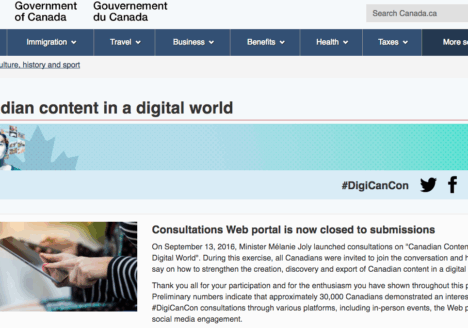
  • Canadian Content in a Digital World was announced by Heritage Minister Melanie Joly in 2016 and are being run by the federal Ministry of Canadian Heritage. Screenshot by J-Source.

    A field guide to Canada’s media consultations

    Here’s four of the big consultations that could change Canada’s media landscape.

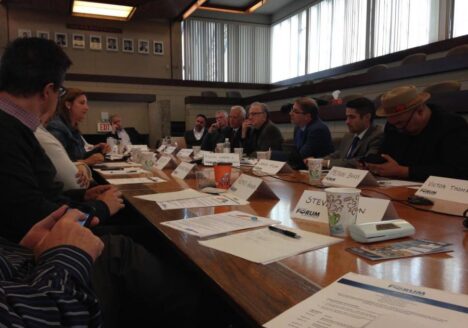
  • img_0886.jpg

    What will the Public Policy Forum’s report bring in 2017?

    Ed Greenspon shares some of his observations after asking Canadians: Is there a journalism crisis in Canada?

  • When authorities snoop out our digital footprints, the best we can do is is mitigate risk, not eliminate it entirely. Photo courtesy Blue Coat Photos/CC BY-SA 2.0.

    Why Canadian journalists have to care about online security

    When authorities snoop out our digital footprints, the best we can do is is mitigate risk, not eliminate it entirely
  • Photo courtesy of Caresse Ley.

    The Canadian Press updated the style guide description of “alt-right”

    New guidelines in Caps and Spelling say to include description as “a U.S.-based white nationalist movement.”
  • globe.jpg

    Globe and Mail Public Editor: We must call the ‘alt-right’ what it is: fascist, racist, white supremacist

    By Sylvia Stead for the Globe and Mail Should journalists use made-up words? Sometimes yes. Language changes constantly, and so words such as “post-truth” and “yogalates” come into the vernacular and should be used and explained until they are well understood. (Post-truth: when emotions, beliefs and even lies trump facts as the drivers of public…

  • Donald Trump holds a press conference in 2015. Photo courtesy Michael Vadon/CC BY-SA 2.0.

    Trump and why emotion triumphs over fact when everyone is the media

    By Alfred Hermida for The Conversation The playwright Arthur Miller mused in 1961: “A good newspaper, I suppose, is a nation talking to itself.” The assertion seems oddly quaint now – at a time when the US elected a president who was continually at odds with the press. Donald Trump intentionally positioned himself as an outsider…

  • star.jpg

    Toronto Star Public Editor: I should have listened to my dad about Donald Trump

    By Kathy English for the Toronto Star “We, the media, were also on the ballot.” – NBC anchor Lester Holt. “To put it bluntly, the media missed the story. Make no mistake. This is an epic fail.” – Margaret Sullivan, Media columnist, Washington Post Mostly, I #blame my profession, media. We must undertake a harsh,…

  • can_hs.jpg

    Canadian front pages after U.S. Election

    On Nov. 8 American voters had their say—and they chose Donald Trump. The Republican nominee won 276 electoral college votes, with his win declared in the early hours of Nov. 9. Here is how Canadian newspapers covered the election.  
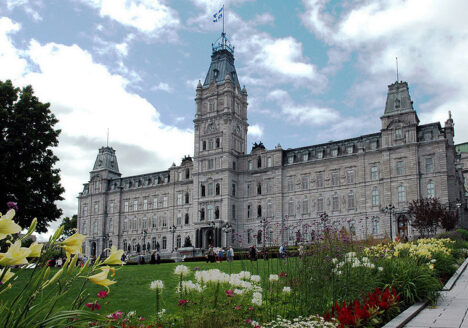
  • The Parliament Building of Quebec. Photo courtesy dszpiro/CC BY 2.0.

    Quebec to hold public inquiry into surveillance of journalists

    By Sidhartha Banerjee, The Canadian Press The Quebec government announced a full public inquiry Thursday into the police surveillance of journalists after revelations various forces monitored reporters’ phones. A panel of experts announced earlier this week will now have all the powers typically given to a commission of inquiry, including being able to compel witnesses to…

  • Canada’s access to information regime is systemically broken, says panel

    Accessing public information in Canada frequently entails multiple-year delays, seemingly arbitrary and generous redactions, and time-consuming appeals processes.

Previous
12…89101112…2627
Next

Michener Scholarship

J-Source logo

J-Source, led by the journalism programs at Toronto Metropolitan University and Carleton University, is supported by the post-secondary journalism programs at member institutions of J-Schools Canada/Écoles-J Canada, the R. Howard Webster Foundation and a group of donors.

PRIVACY AND J-SOURCE

© Copyright 2024. All Rights Reserved

FacebookTwitter XLinkedIn

This site uses cookies to offer you a better browsing experience. Find out more on how we use cookies and how you can change your settings.