
• Read
    • Labour
    • Business
    • Education
    • Field Notes
    • Law and Ethics
    • Technology
    • Policy
  • Work & learn
    • Journalism Jobs
    • Awards
    • Education Opportunities
    • Events
      • Submit an event
  • Projet J
    • Entrevue
    • Balado
    • Nouvelles
    • International
    • Liberté de presse
    • Archive
  • About Us
    • Editorial Board
    • Supporters
    • Contributor guidelines
Donate
J-Schools Canada
Facts & Frictions
Bluesky LinkedIn
J-Source
  • Read
    • Labour
    • Business
    • Education
    • Field Notes
    • Law and Ethics
    • Technology
    • Policy
  • Work & learn
    • Journalism Jobs
    • Awards
    • Education Opportunities
    • Events
      • Submit an event
  • Projet J
    • Entrevue
    • Balado
    • Nouvelles
    • International
    • Liberté de presse
    • Archive
  • About Us
    • Editorial Board
    • Supporters
    • Contributor guidelines
Search site...

Category / Read / Research

  • Can hiding likes make Facebook fairer and rein in fake news? The science says maybe

    You may have read about – or already seen, depending on where you are – the latest tweak to Facebook’s interface: the disappearance of the likes counter. Like Instagram (which it owns), Facebook is experimenting with hiding the number of likes that posts receive for users in some areas (Australia for Facebook, and Canada for…


  • Alfred Hermida and Mary Lynn Young

    UBC researchers lead $2.5-million journalism innovation project

    SSHRC reviewers said the Global Journalism Innovation Lab “promises to be influential at a time of critical need” Continue Reading UBC researchers lead $2.5-million journalism innovation project

  • Artificial-intelligence-enhanced journalism offers a glimpse of the future of the knowledge economy

    “Who – or what – will do journalism in this AI-enhanced and automated world, and how will they do it?” Continue Reading Artificial-intelligence-enhanced journalism offers a glimpse of the future of the knowledge economy

  • RT News truck

    Operation Infektion 2.0? State-sponsored journalism and disinformation

    How do democracies deal with disinformation that is indistinguishable from journalism? Continue Reading Operation Infektion 2.0? State-sponsored journalism and disinformation

  • Environmental reporting can help protect citizens in emerging democracies

    What happens when an illegally logged tree falls or poachers kill endangered brown bears in the forest, but there’s no journalist to report it? Continue Reading Environmental reporting can help protect citizens in emerging democracies

  • Dear Journalists of Canada: Start Reporting Climate Change as an Emergency

    A five-point plan for mainstream media to cover fewer royal babies and more of our unfolding catastrophe Continue Reading Dear Journalists of Canada: Start Reporting Climate Change as an Emergency

  • Top tips and trends in social media education

    2018 Michener-Deacon Fellow for Journalism Education Tamara Baluja spent the past year studying what journalism schools are teaching their students about social media storytelling, metrics and best practices. Here’s what she found Continue Reading Top tips and trends in social media education

  • Stack of newspapers

    Local news snapshot finds journalists split on their future

    Survey of small-market papers finds workers anxious about ad revenue, stressed about digital competition but still have their readers’ trust Continue Reading Local news snapshot finds journalists split on their future

  • Distrust in media is on the decline, journalists tell survey

    Journalists worldwide surveyed on how PR pitches, social media algorithms, data privacy and more are affecting their jobs in 2019 Continue Reading Distrust in media is on the decline, journalists tell survey

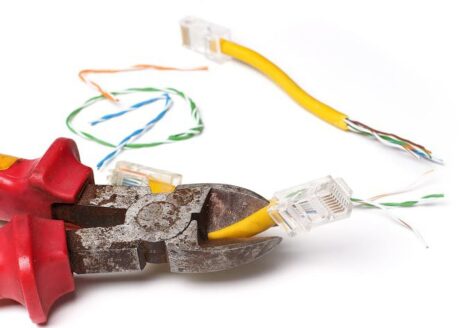
  • Bolt cutters cutting yellow cable with mulicoloured exposed strands.

    Shutting down social media does not reduce violence, but rather fuels it

    In the wake of a series of coordinated attacks that claimed more than 250 lives on April 21, the government of Sri Lanka shut off its residents’ access to social media and online messaging systems, including Facebook, WhatsApp, YouTube, Snapchat and Viber. The official government concern was that “false news reports were spreading through social…

Previous
12…7891011…3435
Next

Sorry. No data so far.

Support J-SourceJ-Source Newsletter Signup. Click to go to subscription page

J-Schools Canada

Upcoming Events

Notice
There are no upcoming events.
J-Source logo

J-Source, led by the journalism programs at Toronto Metropolitan University and Carleton University, is supported by the post-secondary journalism programs at member institutions of J-Schools Canada/Écoles-J Canada and a group of donors.

PRIVACY AND J-SOURCE

© Copyright 2026. All Rights Reserved

BlueskyLinkedIn

SUBSCRIBE TO THE J-SOURCE NEWSLETTER

* indicates required

This site uses cookies to offer you a better browsing experience. Find out more on how we use cookies and how you can change your settings.