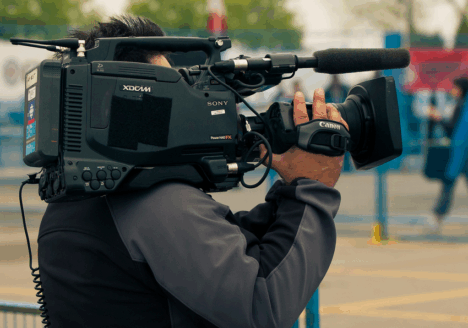
Why is CBC taking aim at our videographers?
CBC management has decided to target the very people who are the front line of news in this most recent layoff.

CBC management has decided to target the very people who are the front line of news in this most recent layoff.

There’s a lesson here when it comes to knowing readers, and how it’s served these days by journalism-based products, legacy and otherwise.

What does polling tell us about how concerned Canadian are about transparency issues? And should the public have a right to know why senior public officials get fired?
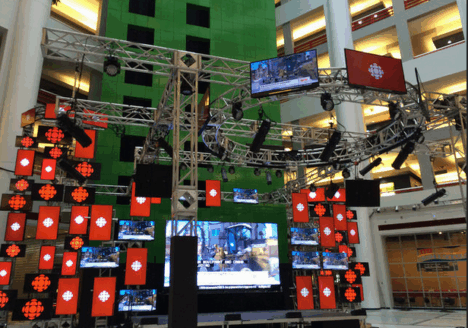
Squeezed by the throat, our public broadcaster is beginning to resemble a state-controlled network.

Journalists at major Canadian newspapers are increasingly interested in disability-related stories—and are more conscious of how they’re telling them.

Concerns about the lack of documentation of federal officials’ decision-making began long before Suzanne Legault’s recent report.
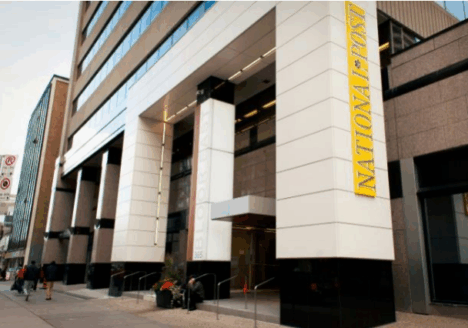
If a newspaper chain falls in the media forest, will anyone hear it?
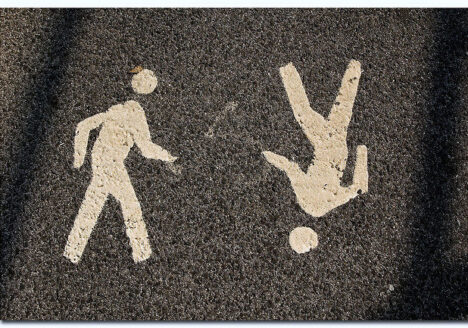
What might have been a short article about the casualties of gentrification becomes a feature on class, family, isolation and belonging.
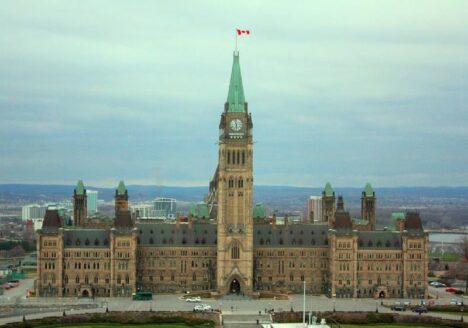
Does an election advertising law in Manitoba go too far? And why is the Harper administration hiding the cost of the country’s combat missions?
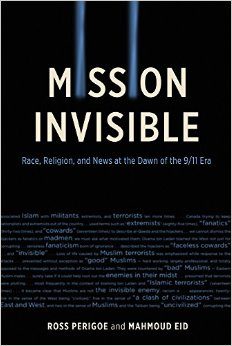
Mission Invisible concerns itself with the media representation of Muslim communities immediately after the events of Sept. 11, 2001.