
Globe public editor: When the spoiler alert becomes pointless
You can choose to avoid a story, but not a headline, writes The Globe and Mail's public editor Sylvia Stead.

You can choose to avoid a story, but not a headline, writes The Globe and Mail's public editor Sylvia Stead.

Toronto Star readers have spoken: The majority do not want to see swear words spelled out or more profanity in print, writes public editor Kathy English.
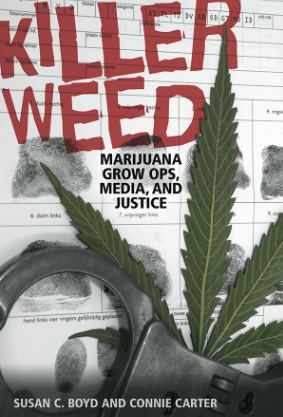
Ian Mulgrew, a Vancouver Sun columnist and author of a book about Canada’s marijuana industry, reviews Killer Weed, a new academic study that claims newspapers in Vancouver and Victoria have uncritically hyped public health and safety concerns related to marijuana grow-ops.

If a brand can build its own audience on its own digital channels, one could argue it might not need a press release or even a journalist, writes Chris Hogg.

A digital journalist is still a journalist and must be doing the same work as a print journalist, writes Wayne MacPhail. So why is one employee paid less just because his or her work doesn't end up as ink on cellulose?

Mark Lever, and the company he works for, sees the future of the newspapers as hyperlocal. That is this kind of entrepreneurial thinking that will revolutionize and revitalize news media, says innovation editor Rob Washburn.
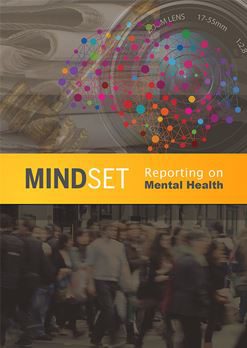
Mindset, a guide for reporting on mental health, will be launched on April 24 in Toronto by the Canadian Journalism Forum on Violence and Trauma and CBC News. The former’s president, Cliff Lonsdale, explains why journalists should take as much care selecting words and considering hidden baggage in mental health reporting as in anything else…

CBC matters most in the small places, the ones many Canadians will never visit. It is a window on the outside world for those who live there. And a way of drawing back the curtain for those who don’t, so they can peer inside. Ahead of a CBC employee townhall to discuss budgets, reporter Jody…
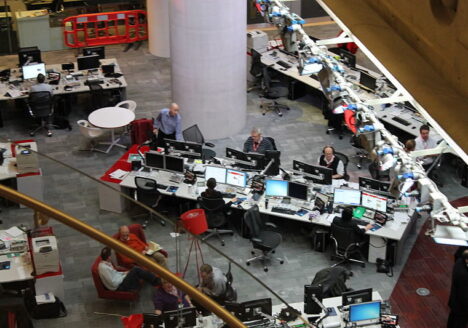
Henry Blodget recently wrote that journalism has entered a golden age. Paul Benedetti and James R. Compton argue against the notion, calling it a baseless and insidious idea that masks the colonization of a once proudly skeptical profession with promotional hucksterism and reinforces a false notion that all is well.

The documentary, Silence of the Labs, provided many relevant facts and presented alternative perspectives about an important public policy issue so that Canadians could draw their own conclusions, writes CBC ombudsman Esther Enkin.