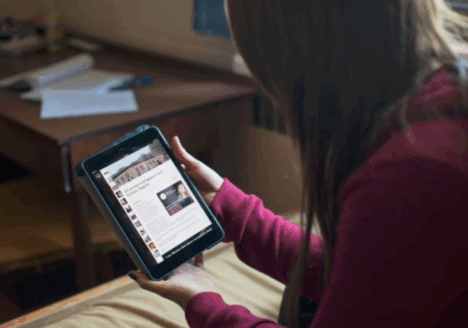
• State of the Media report shows journalists concerned about keeping public trust. Screenshot by J-Source.

    What do journalists think about journalists?

    By H.G. Watson, Associate Editor Journalists are always hardest on themselves. A new survey of over 1,550 North American journalists has found that over 90 per cent believe the media is “somewhat or much less” trusted by the public compared to three years ago. The State of the Media report, completed by Cision, a Canadian…

  • jsource_diversity_survey_red_2017.jpg

    Updated columnist diversity survey shows representation has not improved since 2014

    This story was funded by the J-Source Patreon campaign By Dylan C. Robertson Data collected late last year suggests Canada’s columns have grown even more unrepresentative since a similar 2014 J-Source columnists survey. Canada’s news and general interest columnists are overwhelmingly male, white, straight and middle aged, according to a J-Source survey of 125 columnists. “The…

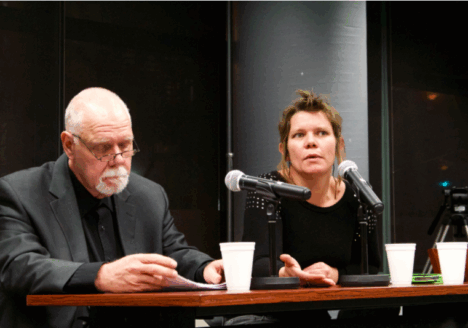
  • Robert Washburn, professor of journalism at Loyalist College, and Gretchen King, PhD candidate and community media advocate, discuss their research at the Journalism in Crisis book launch panel at the Ryerson School of Journalism Feb. 9. Photo courtesy of Steph Wechsler.

    News needs of smaller communities require special attention, researcher says

    By Steph Wechsler for the Ryerson Journalism Research Centre The ongoing discussion about the state of Canadian news media tends to overlook what’s happening in smaller communities, local news advocate Robert Washburn said during a recent presentation at the Ryerson School of Journalism. Community-based newsrooms, including local television and community-run radio stations, are deeply rooted…

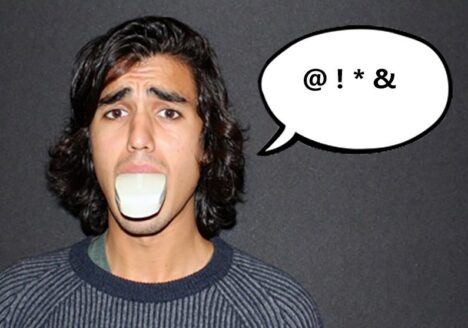
  • Context, readership, and clarity all have a role to play in deciding whether to print obscenities. Image courtesy of John Sandham.

    Swearing, by the (style)book

    By John Sandham for The Signal Kathy English is a busy person. As public editor of the Toronto Star for almost 10 years, she deals with dozens of issues every week relating to errors, omissions, or content. Of course, she doesn’t remember small details of stories that have produced complaints. Nevertheless, she remembers the public outcry over…

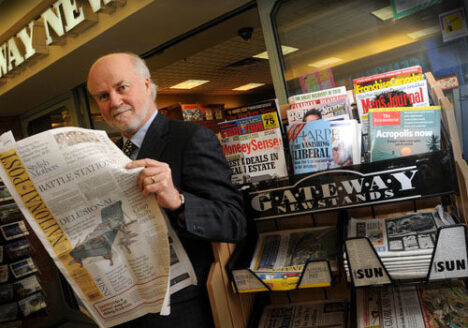
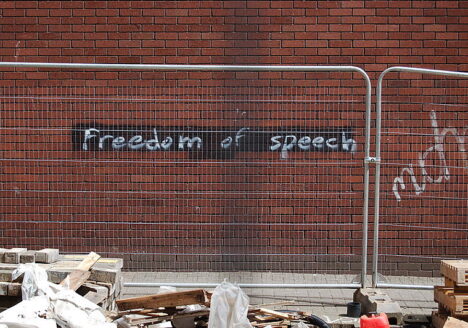
  • Image courtesy Walt Jabsco/CC BY-NC-ND 2.0.

    Canada’s criminal libel laws may threaten free speech

    By Mitchell Thompson Criminal libel laws in Canada’s Criminal Code are being used increasingly to suppress speech that is critical of public officials and employees, Ryerson journalism professor Lisa Taylor said. Speaking at Ryerson University on Nov. 1, 2016, alongside Osgoode Hall law professor Jamie Cameron and Ryerson journalism professor James Turk, Taylor said criminal…

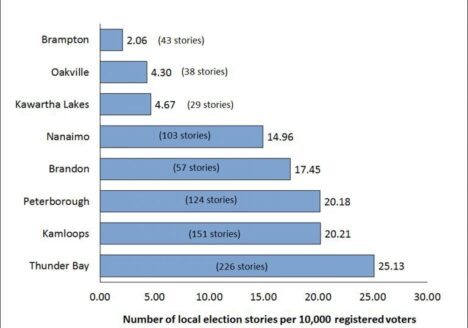
  • Local media coverage during the election. The research compared  local coverage of the race for MP in eight communities in Ontario, Manitoba and British Columbia. Image courtesy April Lindgren.

    Suburban and rural communities underserved by local media, new election research suggests

    By Jasmine Bala for the Ryerson Journalism Research Centre The amount of news available about local contests for member of Parliament during the 2015 federal election depended on where in Canada voters were living, a new study by Ryerson University’s Local News Research Project suggests. The research, which compared local coverage of the race for MP in…

  • Duncan McCue, CBC journalist and the Ryerson School of Journalism’s Rogers Visiting Journalist, at CBC’s Toronto studio. Photo courtesy Jasmine Bala.

    Duncan McCue works with Ryerson J-School on curriculum for covering Indigenous issues

    By Jasmine Bala for the Ryerson Journalism Research Centre  Reporters working in Canadian newsrooms should receive diversity training just like police officers and health workers do says Duncan McCue, the newly appointed Rogers Visiting Journalist at the Ryerson School of Journalism (RSJ). McCue said the training is necessary because journalists who don’t understand Indigenous cultures can cause…