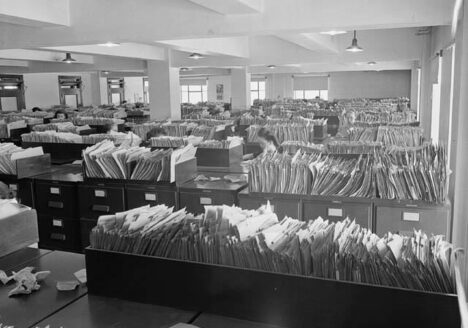
Who makes most of Canada’s FOI requests? Not journalists
Access-to-information requests in Canada have increased 391 per cent since 1997—but the media’s share of those requests has remained relatively the same.

Access-to-information requests in Canada have increased 391 per cent since 1997—but the media’s share of those requests has remained relatively the same.
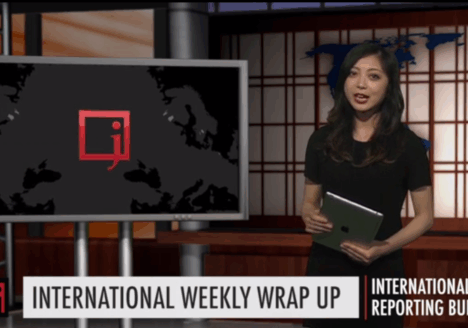
Marielle Torrefranca of the International Reporting Bureau at Humber College brings you this week’s wrap-up of Canadian coverage of world stories.
What makes investigative journalism enticing is also what makes it legally dangerous to produce—particularly for freelance journalists without libel protection.
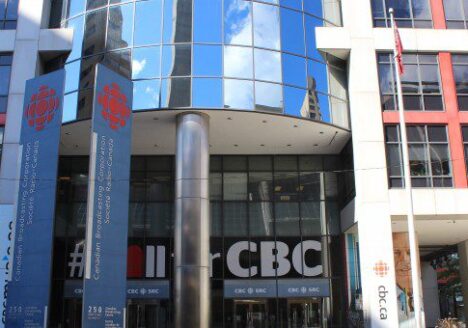
CBC Ombudsman Esther Enkin agrees that the use of the word diatribe in a recent story was wrong, but believes disciplining those who were responsible goes too far.
Two years after suspending its journalism program, the university began accepting applications to its joint program with Algonquin College and La Cité in September 2014.
An email from the prime minister’s office offered a story with strings attached. For two Ontario journalists, the conditions seemed unreasonable.
Two former executives and two former reporters latest to move from media to politics.

A colleague remembers Mustafa’s drive to cover issues in Egypt and Syria—and what made his status as a freelance photojournalist covering conflict zones particularly precarious.
Other multiple nominees include La Presse and Canadian Press.

A look at national newsroom policies.