
• Read
    • Labour
    • Business
    • Education
    • Field Notes
    • Law and Ethics
    • Technology
    • Policy
  • Work & learn
    • Journalism Jobs
    • Awards
    • Education Opportunities
    • Events
      • Submit an event
  • Projet J
    • Entrevue
    • Balado
    • Nouvelles
    • International
    • Liberté de presse
    • Archive
  • About Us
    • Editorial Board
    • Supporters
    • Contributor guidelines
Donate
J-Schools Canada
Facts & Frictions
Bluesky LinkedIn
J-Source
  • Read
    • Labour
    • Business
    • Education
    • Field Notes
    • Law and Ethics
    • Technology
    • Policy
  • Work & learn
    • Journalism Jobs
    • Awards
    • Education Opportunities
    • Events
      • Submit an event
  • Projet J
    • Entrevue
    • Balado
    • Nouvelles
    • International
    • Liberté de presse
    • Archive
  • About Us
    • Editorial Board
    • Supporters
    • Contributor guidelines
Search site...

Category / Read / Research

  • Why are j-school students saying no to reporting careers?

    Journalism students have very different ideas about what a reporting career means to them. But it’s the ones who value journalism’s role in democracy that stay the course Continue Reading Why are j-school students saying no to reporting careers?

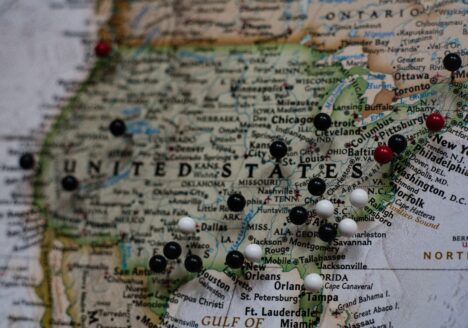
  • Call for participants: New research project aims to understand the working lives of Toronto’s millennial freelancers

    Home/work: Understanding work-at-home freelancing in Toronto is a new research project led by Nancy Worth, assistant professor in geography and environmental management at the University of Waterloo Continue Reading Call for participants: New research project aims to understand the working lives of Toronto’s millennial freelancers

  • Local news outlets can fill the media trust gap – but the public needs to pony up

    The appetite for smart local news is there. The challenge is figuring out how to make it profitable Continue Reading Local news outlets can fill the media trust gap – but the public needs to pony up

  • A case for self-reporting

    Mainstream media companies haven’t taken the basic step of crunching the numbers on whom they hire, but plenty of evidence suggests doing so is a healthy first step towards creating a more equitable and representative workplace Continue Reading A case for self-reporting

  • Survey: Gender equity issues in Canadian journalism persist at end of decade

    It won’t be a surprise to many that the gender pay gap still exists in Canadian journalism.  A survey conducted by J-Source shows that 42 per cent of surveyed cisgender women, transgender and non-binary journalists don’t think they are paid the same as cisgender men conducting the same work.   These findings have implications for whether…

  • Newsrooms not keeping up with changing demographics, study suggests

    ‘Self-reporting on newsroom diversity would encourage a culture of trust and accountability, one that the journalism profession upholds in its role as a watchdog of public institutions.’ Continue Reading Newsrooms not keeping up with changing demographics, study suggests

  • Can hiding likes make Facebook fairer and rein in fake news? The science says maybe

    You may have read about – or already seen, depending on where you are – the latest tweak to Facebook’s interface: the disappearance of the likes counter. Like Instagram (which it owns), Facebook is experimenting with hiding the number of likes that posts receive for users in some areas (Australia for Facebook, and Canada for…

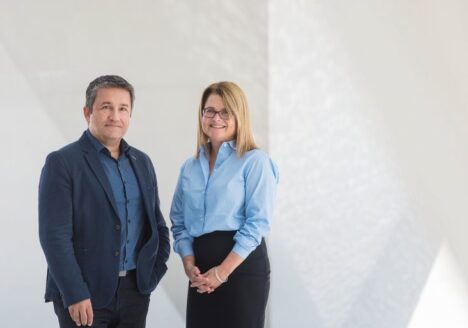
  • Alfred Hermida and Mary Lynn Young

    UBC researchers lead $2.5-million journalism innovation project

    SSHRC reviewers said the Global Journalism Innovation Lab “promises to be influential at a time of critical need” Continue Reading UBC researchers lead $2.5-million journalism innovation project

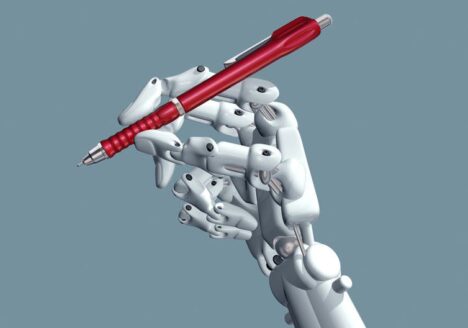
  • Artificial-intelligence-enhanced journalism offers a glimpse of the future of the knowledge economy

    “Who – or what – will do journalism in this AI-enhanced and automated world, and how will they do it?” Continue Reading Artificial-intelligence-enhanced journalism offers a glimpse of the future of the knowledge economy

  • RT News truck

    Operation Infektion 2.0? State-sponsored journalism and disinformation

    How do democracies deal with disinformation that is indistinguishable from journalism? Continue Reading Operation Infektion 2.0? State-sponsored journalism and disinformation

Previous
12…678910…3334
Next
  • Resources for covering Tumbler Ridge 
    Vulnerable communities are being targeted by right-wing…
  • Six weeks undercover: Investigative lessons from the Toronto Star’s probe into Uber’s algorithm 
    Journalist Ghada Alsharif worked undercover as an Uber…
  • Meet Facts & Frictions’ new editor, Trish Audette-Longo
    Of lessons, legacies and hope for the future: Introduct…
  • The Un(mediated) report on the B.C. Office of the Human Rights Commissioner's websiteVancouver police violated press freedoms during 2023 decampment, says B.C. Human Rights Commissioner
    B.C. human rights inquiry finds transparency was ‘compr…
  • If they close
    Lessons from compassionate, trauma-informed coverage of…
Support J-SourceJ-Source Newsletter Signup. Click to go to subscription page

J-Schools Canada

The Michener Awards
J-Source logo

J-Source, led by the journalism programs at Toronto Metropolitan University and Carleton University, is supported by the post-secondary journalism programs at member institutions of J-Schools Canada/Écoles-J Canada and a group of donors.

PRIVACY AND J-SOURCE

© Copyright 2026. All Rights Reserved

BlueskyLinkedIn

This site uses cookies to offer you a better browsing experience. Find out more on how we use cookies and how you can change your settings.