
Responsible communication wins again
Kathy Tomlinson becomes part of a slowly growing list of Canadian defamation cases that are winning with the defence of “responsible communication”.

Kathy Tomlinson becomes part of a slowly growing list of Canadian defamation cases that are winning with the defence of “responsible communication”.

By Grant Buckler Tom Walters, Los Angeles bureau chief for CTV News, has been charged with interfering with a police officer, a year after being arrested while covering protests in Ferguson, Missouri, the Toronto Star reports. While arrests of journalists covering protests have become increasingly common in recent years—several reporters and photographers were arrested during…

An Ontario superior court judge has dismissed a charter challenge filed against a practice that saw a handful of provincial police officers pose as journalists.
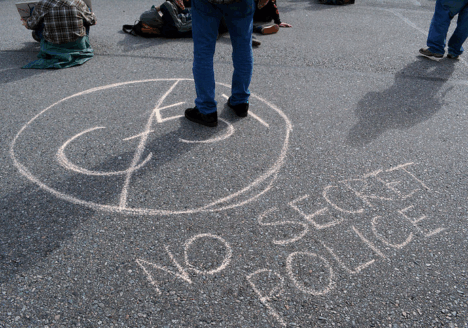
Speaking with Henheffer about an upcoming Charter challenge against Bill C-51, and what the new law means for journalists.
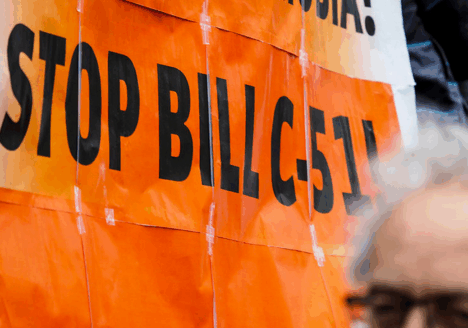
Canadian Journalists for Free Expression and Canadian Civil Liberties Association plan to launch a charter challenge against sections of Bill C-51.
Restrictive photography contracts for entertainment events such as concerts aren’t new to photo desks, though in recent years they have started to veer into the extreme.
The public’s access to government information in Canada will only improve if existing legislation is reworked completely, says Suzanne Legault.

What makes investigative journalism enticing is also what makes it legally dangerous to produce—particularly for freelance journalists without libel protection.

Green politician “thrilled” by ruling.

How the Grant v. Torstar ruling informs editors’ decisions to publish.